Cuban Sandwich History: Tampa vs. Miami Styles & Key Origins
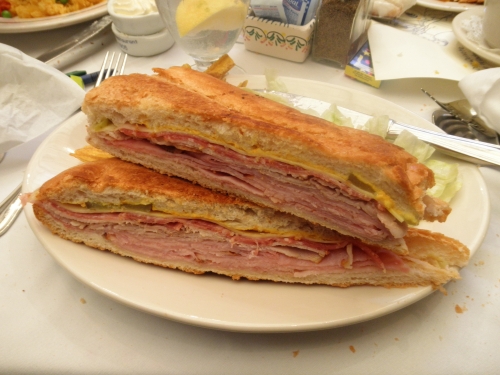
The Cuban sandwich, affectionately known as the "Cubano," is more than just a culinary creation; it's a pressed masterpiece, a delicious emblem of cultural fusion, and a testament to immigrant ingenuity. This iconic sandwich, with its tantalizing layers of savory meats, tangy pickles, and melted cheese, all pressed between crispy, buttery Cuban bread, has captivated taste buds for over a century. Its rich history is as layered as the sandwich itself, with passionate debates often centering on its true origin and the defining characteristics of its regional variations, particularly between the bustling cities of Tampa and Miami. Understanding the cuban sandwich means delving into a fascinating journey through Florida's vibrant Cuban-American heritage.
The Birthplace of a Legend: Early Origins of the Cuban Sandwich
The story of the cuban sandwich truly begins in the late 19th and early 20th centuries, not in Cuba itself, but in the cigar-rolling factories of Ybor City, Tampa, Florida. This burgeoning industrial hub attracted a diverse population of Cuban, Spanish, and Italian immigrants, all seeking new opportunities. For the hardworking cigar rollers, a hearty, portable, and affordable lunch was essential. The cuban sandwich emerged as the perfect solution: a complete meal that could be easily prepared, carried, and enjoyed during a short break.
Local bakeries quickly adapted to the demand, producing long loaves of crusty Cuban bread, sometimes up to three feet in length, specifically designed for these robust sandwiches. The original recipe was a harmonious blend of ingredients reflecting the diverse culinary influences of the community. At its core, the sandwich featured tender, fall-apart roasted pork, often marinated in a vibrant citrus and garlic concoction known as mojo. This was paired with thinly sliced deli ham, nutty Swiss cheese, and the bright acidity of dill pickles, all brought together with a smear of classic yellow mustard. The final, crucial step was the press – a technique that transformed the individual ingredients into a warm, cohesive, and utterly irresistible meal, melting the cheese, crisping the bread, and infusing every bite with unparalleled flavor.
The Great Debate: Tampa vs. Miami Cuban Sandwich Styles
While the cuban sandwich undoubtedly found its footing in Tampa, its popularity spread, evolving and adapting as it traveled. Today, two major styles dominate the conversation, each fiercely defended by its proponents: the Tampa-style Cubano and the Miami-style Cubano. The distinction lies in one key ingredient, though passionate locals will argue the nuances go much deeper.
The Tampa-Style Cubano: A Touch of Italy
Tampa's claim to the original cuban sandwich is largely undisputed, and its defining characteristic is a subtle nod to the city's multicultural past. The Tampa-style cuban sandwich includes a layer of Genoa salami. This addition isn't arbitrary; it reflects the significant Italian immigrant population that lived and worked alongside Cubans and Spaniards in Ybor City. The salty, garlicky notes of the salami add another dimension of flavor and texture, setting it apart. While less common, some historical accounts and local interpretations in Tampa Bay might also mention the occasional inclusion of lettuce and tomato, although this is generally considered a deviation from the core traditional pressed sandwich. For many purists, the salami is the undisputed hallmark of an authentic Tampa Cubano.
The Miami-Style Cubano: The Quintessential Classic
When the cuban sandwich made its way south to Miami, particularly with the influx of Cuban exiles after the Cuban Revolution, it found a new home and a slightly refined identity. The Miami-style cuban sandwich adheres strictly to the classic five ingredients: roasted pork, ham, Swiss cheese, dill pickles, and yellow mustard, all pressed into Cuban bread. The key difference? No salami. Miami purists argue that the absence of salami allows the core flavors of the pork, ham, and cheese to shine through, creating a perfectly balanced profile that doesn't need additional embellishments. For many, this "unadulterated" version is the true taste of Cuba in sandwich form, embodying the simple yet profound culinary traditions brought from the island.
The debate between Tampa and Miami isn't just about salami; it's a testament to regional pride and culinary heritage. Each city proudly champions its version, reflecting the unique cultural tapestry that shaped its evolution.
Deconstructing the Cubano: The Anatomy of a Masterpiece
Regardless of whether you lean towards Tampa or Miami, the fundamental elements that make a cuban sandwich extraordinary remain the same. Each component plays a crucial role in creating the symphony of flavors and textures that define this iconic meal.
The Foundation: Authentic Cuban Bread
The bread is arguably the most critical component. Traditional Cuban bread is distinctive for its thin, crispy crust and soft, airy interior. It's often made with lard, which contributes to its unique texture and incredible crispness when pressed. If you can get your hands on it, it’s unparalleled. However, if authentic Cuban bread isn't accessible, a soft French baguette, bolillo bread, or even a good quality hero roll can serve as a substitute. The key is to find bread that can withstand the pressing without becoming too dense or falling apart, ensuring a golden, buttery crunch on the outside.
The Star: Mojo-Marinated Roast Pork (Lechón Asado)
At the heart of every great cuban sandwich is the succulent, slow-roasted pork. This isn't just any pork; it's typically pork shoulder marinated in "mojo," a vibrant concoction of sour orange juice (or a mix of regular orange and lime juice), fresh garlic, earthy cumin, and fragrant oregano. The marinade tenderizes the meat while infusing it with layers of tangy, aromatic flavor. Slow roasting renders the pork incredibly tender, often falling apart, making it the perfect centerpiece for the sandwich. For those looking to replicate this at home, mastering the mojo and slow-roasting process is key to an authentic flavor profile. You can learn more about perfecting this crucial component in our article:
Make the Best Cuban Sandwich: Roast Pork, Mojo & Crispy Press.
The Meats: Ham and Salami (Optional)
Beyond the roast pork, thinly sliced deli ham adds a crucial sweet and salty counterpoint. For Tampa-style sandwiches, a generous layer of Genoa salami introduces a peppery, umami depth that truly defines its character. The combination of these meats provides a complex profile, ensuring every bite is rich and satisfying.
The Cheese: Creamy Swiss
Swiss cheese is the traditional choice for its mild, slightly nutty flavor and, most importantly, its excellent melting properties. When pressed, the Swiss cheese melts beautifully, binding the other ingredients together and adding a creamy, savory layer that contrasts wonderfully with the meats and pickles.
The Zest: Dill Pickles and Yellow Mustard
These two components might seem simple, but their role is vital. Crunchy, tangy dill pickles cut through the richness of the meats and cheese, providing a burst of acidity that brightens the entire sandwich. A generous spread of classic yellow mustard adds a sharp, piquant note, completing the flavor profile. While some personal preferences might include mayonnaise, traditional Cubanos typically rely solely on mustard to provide the necessary zing.
Practical Tips for Crafting Your Own Cuban Sandwich
Creating an authentic cuban sandwich at home is incredibly rewarding. Here are some tips to help you achieve perfection:
- Source Quality Ingredients: Invest in good quality deli ham and Swiss cheese. The roast pork, if homemade, should be made with care and a proper mojo marinade.
- The Press is Paramount: A panini press is ideal for achieving that signature flat, crispy, and warm result. If you don't have one, a heavy cast-iron skillet heated on the stove with another heavy pot or brick pressing down on top can work wonders. Press until the bread is golden brown and the cheese is oozing.
- Butter it Up: Don't skimp on buttering the outside of your bread before pressing. This contributes significantly to the golden color and crispy texture.
- Layering Matters: While there's no strict rule, a common layering technique is mustard on both bread slices, then Swiss cheese (to melt and bind), followed by pickles, ham, and finally the roast pork. If adding salami, place it with the ham.
- Experiment with Pork: If making roast pork from scratch seems daunting, many Latin markets or delis sell pre-cooked mojo pork that can be thinly sliced and used.
For a deeper dive into mastering each component and elevating your cuban sandwich game, explore our companion article:
Beyond Ham & Cheese: Unpacking the Ultimate Cubano Sandwich.
Conclusion
The cuban sandwich stands as a delicious monument to a rich cultural past, a symbol of innovation born from necessity, and a testament to the enduring power of good food. Whether you prefer the salami-kissed charm of a Tampa-style Cubano or the classic purity of its Miami counterpart, each bite tells a story of immigration, adaptation, and culinary passion. From its humble beginnings feeding cigar rollers to its status as a global culinary icon, the cuban sandwich continues to delight, proving that some masterpieces are best enjoyed pressed, toasted, and utterly delicious.